About Kos
Geography
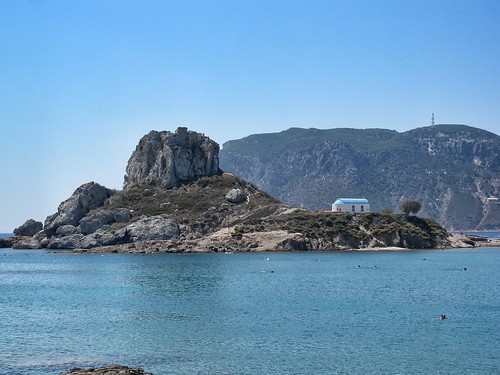
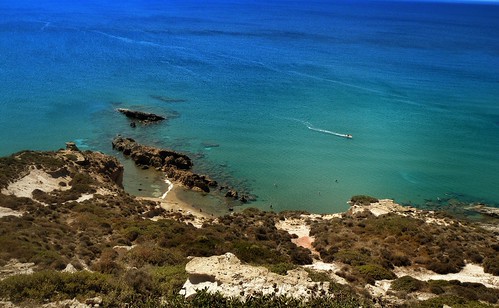
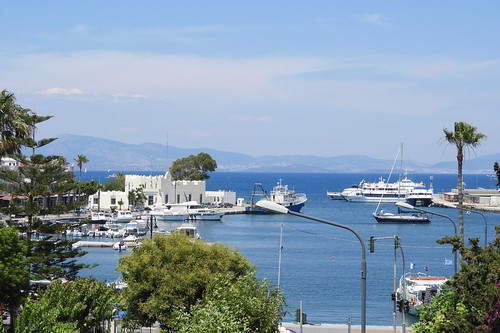
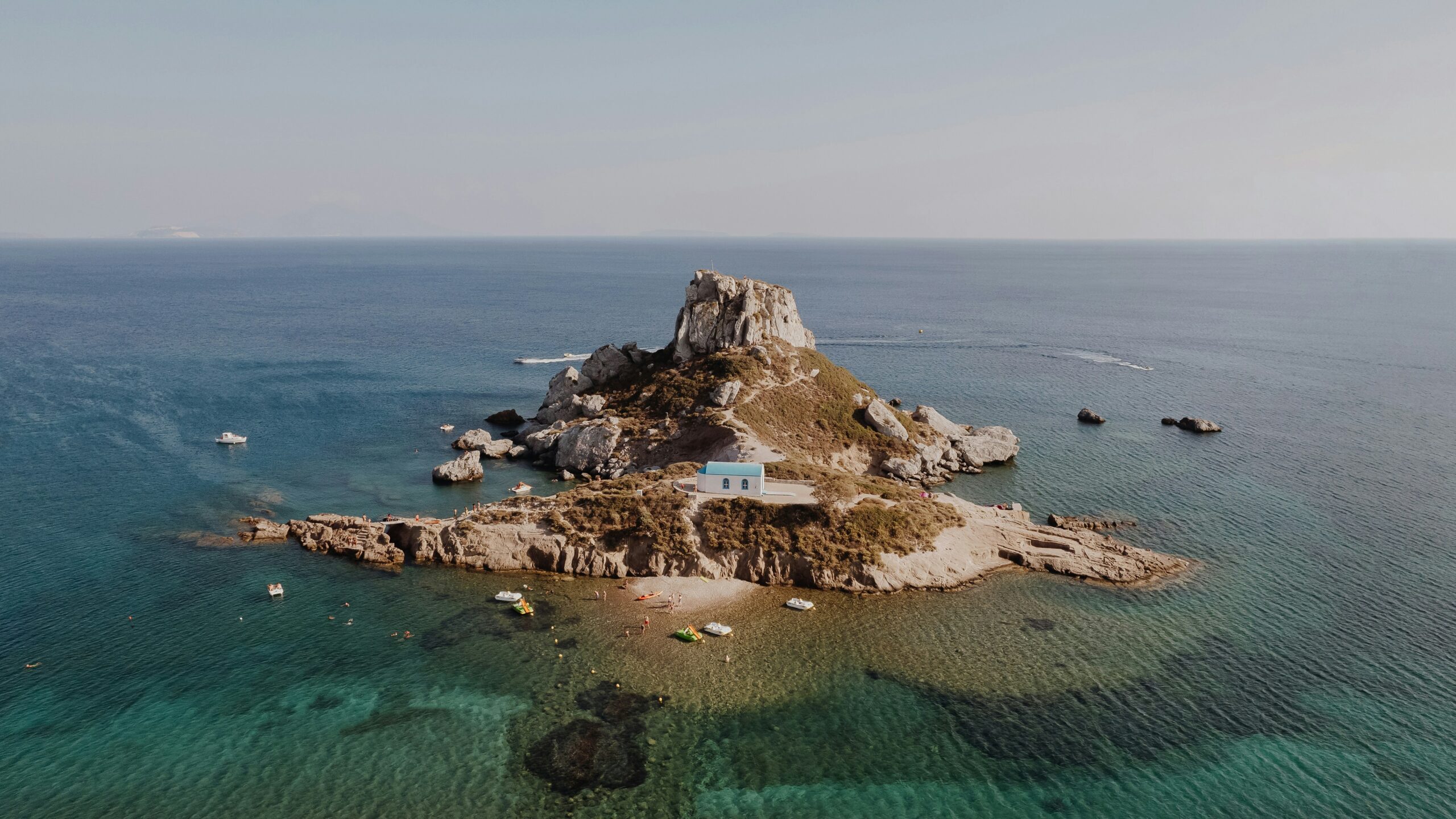
Kos is a beautiful Greek island in the southeastern Aegean Sea, part of the Dodecanese group. It stretches about 42 km long and 10 km wide, with Kos Town as its vibrant capital. Its prime location offers both relaxing beaches and easy access to historical and cultural sites.
Kos combines natural beauty, a fascinating past, and delicious cuisine, making it an ideal destination for travelers seeking both relaxation and cultural exploration.
History
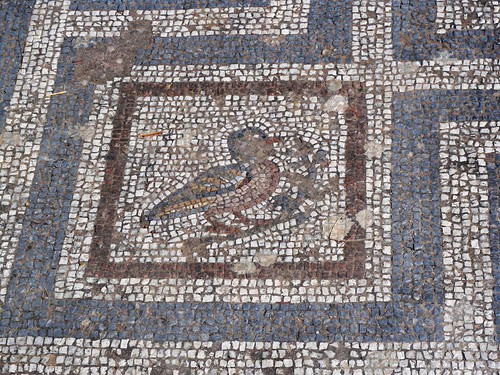
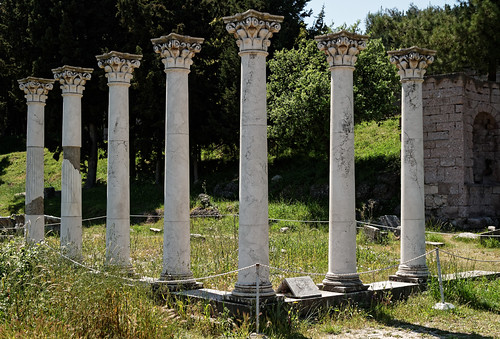
Kos is steeped in history and known as the birthplace of Hippocrates, the “Father of Medicine.” Visitors can explore ancient ruins like the Asklepion Sanctuary, a major center of healing in antiquity, as well as the Roman Odeon and the Casa Romana, a beautifully preserved Roman villa. Venetian, Ottoman, and Italian influences can be seen throughout the island in architecture, fortifications, and local traditions, providing a rich cultural tapestry. Museums, archaeological sites, and charming villages preserve Kos’s historical legacy while offering insight into daily life across centuries.
Demography
Kos Island has a population of approximately 33,000–35,000 residents, with the largest concentration in Kos Town, home to around 16,000–18,000 people. The island’s population is spread across smaller towns and villages, including Kardamena, Mastichari, Tigaki, and mountain villages like Zia, with rural areas remaining sparsely populated.
The island features a mix of age groups, including families, retirees, and seasonal workers, many of whom are employed in the tourism industry, which significantly increases the population during the summer months. The economy is mainly driven by tourism, agriculture (especially olives, grapes, and citrus), fishing, and various services.
The residents of Kos are predominantly Greek, speaking Greek as the primary language, though English and other European languages are commonly spoken in tourist areas. The majority of the population practices Greek Orthodox Christianity, which influences local festivals and traditions.
Food & Drink
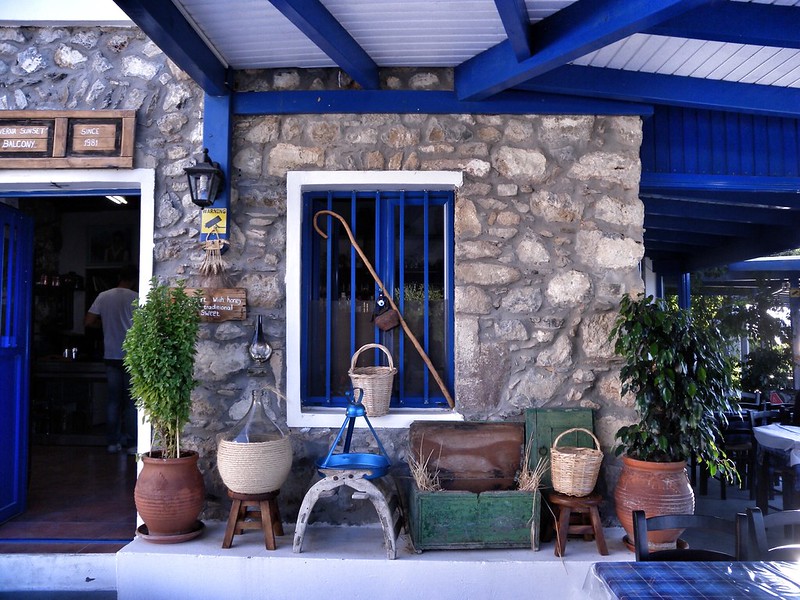
The island’s culinary scene highlights fresh seafood, grilled meats, and traditional Greek meze. Local specialties include pitaridia (handmade pasta), olives, honey, cheeses, and locally produced wines. Visitors can enjoy food in seaside tavernas, lively cafes, or upscale restaurants, experiencing authentic flavors of the Dodecanese region.